
Chelsea Barcelona Head to head History
Comment

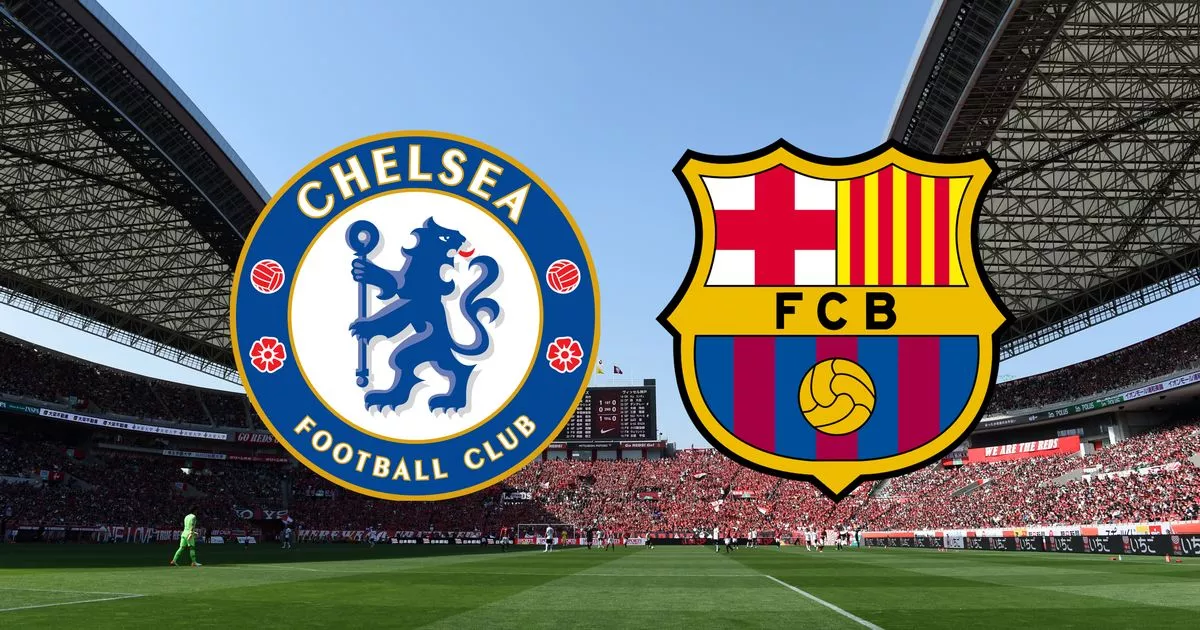
The rivalry between Barcelona and Chelsea is one of the most dramatic, controversial, and unforgettable in modern Champions League history. It’s not a local derby, but a clash of philosophies, personalities, and moments that have been etched into footballing folklore.
Barcelona vs. Chelsea: A Rivalry Forged in Champions League Fire
When the histories of FC Barcelona and Chelsea FC are written, their paths will cross repeatedly in the most high-stakes environment of all: the UEFA Champions League knockout stages. This is not a rivalry born from geography, but from a collision of two footballing superpowers, each representing a distinct and often opposing ideology. It’s a story of tactical battles, iconic heroes, heartbreaking villains, and moments of pure, unadulterated controversy.
The Early Encounters: Respect and Genius
The first major meeting came in the 2000 Champions League quarter-finals. A young Chelsea side held their own but were ultimately undone by the genius of a Brazilian named Ronaldo Nazário and Rivaldo.
The rivalry truly found its first defining moment in the 2005-06 round of 16. By then, Jose Mourinho had arrived at Chelsea, turning them into a formidable, disciplined machine. In the first leg at Stamford Bridge, Chelsea were outplayed but held on for a 2-1 win. However, it was the return leg at the Camp Nou that became legendary. Despite Chelsea’s 1-0 lead in the tie, Barcelona’s Ronaldinho put on a masterclass of such audacious skill that he earned a standing ovation from the very Chelsea fans who had come to see him vanquished. It was a moment of pure footballing respect, a sign of the magic to come.
The Semifinal Duels: Tragedy and Redemption
If the early encounters built the stage, the back-to-back semifinals in 2009 and 2012 provided the drama.
009: The Night of Controversy (The Iniestazo)
This is arguably the most infamous single match in the rivalry’s history. Under Guus Hiddink, a resolute Chelsea had drawn 0-0 at the Camp Nou in the first leg. The second leg at Stamford Bridge was a tense, tactical affair, decided by a thunderous volley from Michael Essien that seemed to have sent Chelsea to the final.
What followed in the second half was a cascade of controversial incidents that still fuels debate today. Barcelona had a player sent off (Eric Abidal), but Chelsea were denied what looked like certain penalties on multiple occasions:
- A handball by Gerard Piqué inside the box.
- A clear handball on the line by Samuel Eto’o.
- A foul on Florent Malouda in the box.
Chelsea manager Guus Hiddink and his players were incensed, confronting Norwegian referee Tom Henning Øvrebø at the final whistle. With Chelsea seemingly destined to win, the clock ticked past the 90-minute mark. In the 93rd minute, a cleared ball fell to Andrés Iniesta at the edge of the box. He took one touch and unleashed an unstoppable, arrowing shot into the top corner.
The Camp Nou erupted in ecstasy, while Stamford Bridge was plunged into despair. It was a moment of sublime brilliance that sealed Barcelona’s path to the trophy, but it was forever overshadowed by the refereeing decisions. For Chelsea, it was a footballing tragedy.
2012: The Revenge at the Camp Nou
Three years later, the two giants met again in the semifinals. This time, Chelsea were the underdogs, managed by interim boss Roberto Di Matteo after a tumultuous season. The first leg at Stamford Bridge ended 1-0 to Chelsea, thanks to a goal from their ultimate big-game hunter, Didier Drogba.
The second leg at the Camp Nou was an epic of defensive resilience. Barcelona, now managed by Pep Guardiola and at the peak of their powers, dominated possession completely. They took the lead through Sergio Busquets and then had John Terry sent off for a needless off-the-ball challenge. Down to 10 men, against the best team in the world, Chelsea’s dream seemed over.
But then, moments before halftime, Ramires produced a stunning chip over Victor Valdés to put Chelsea ahead on away goals. The second half was a relentless siege on the Chelsea goal. Captain fantastic Petr Čech made a series of unbelievable saves, and every Chelsea player threw their body on the line. Lionel Messi even missed a penalty, hitting the crossbar.
With Barcelona pushing everyone forward in search of a winner, the ball broke to Fernando Torres. He sprinted clear of the defense and calmly slotted the ball into the empty net. It was the goal that sealed one of the greatest upsets in Champions League history. This time, it was Chelsea who were celebrating on the Camp Nou pitch, exorcising the ghosts of 2009 in the most dramatic fashion imaginable.
A Different Flavor
The rivalry has continued in recent years, though with less at stake. The most notable recent clash was in the 2018 group stage. In the first match at Stamford Bridge, Chelsea earned a credible 2-1 win. In the return at the Camp Nou, Lionel Messi produced a moment of magic, scoring a stunning free-kick for his 100th Champions League goal in a 3-0 win. However, the match also showcased a brilliant defensive display from Chelsea’s Andreas Christensen, who largely kept Messi quiet for 70 minutes.
Modern Classic
The Barcelona vs. Chelsea rivalry is defined by its intensity. It’s the physicality and pragmatism of English football versus the technical artistry and possession-based philosophy of Catalan football. It’s Mourinho vs. Guardiola. It’s Drogba vs. Puyol. It’s Iniesta’s last-gasp wonder goal versus Torres’s seal-the-deal breakaway.
More than anything, it’s a rivalry built on unforgettable stories. The heartbreak of 2009 made the redemption of 2012 all the sweeter. These weren’t just football matches; they were theatrical dramas that created heroes, villains, and talking points that will last a lifetime. For any fan of the beautiful game, when Barcelona and Chelsea are drawn together, you know you are in for something special.
Latest Post!!!
-
 Chike – Wetin Dey
-
 Flavour – Big Moves Only
-
Flavour – Ife Dimma
-
Flavour – Jidenna
-
Flavour – Isabella Ft. Azzy
-
Flavour – War Ready ft Odumeje
-
Flavour – Big Masquerade (Okukuse)
-
Flavour – Orente Ft. Qing Madi
-
Flavour – I’m On Fire
-
Flavour – Pansa Pansa Ft. Kizz Daniel
-
Flavour – Ada Bekee Ft Waga G
-
Flavour – The Eagle Has Landed
-
Flavour – Bam Bam ft. Pheelz
-
 T.I BLAZE – Feel Free
-
T.I BLAZE – Nigga
-
T.I BLAZE – Lose My Mind
-
 Chella – Shameless Devil
-
 WAJE – Somebody’s Baby
-
 Young Jonn – OUTRO: Blue Disco
-
Young Jonn – Obi’s House
Do you find Music and Gist Hub useful? Click here to give us five stars rating!