Blackout In Nigeria As National Grid Suffers System Collapse
Comment

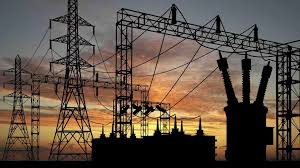
“Blackout in Nigeria As National Grid Suffers System Collapse,” is a recurring and frustrating reality for millions of Nigerians. It’s not an isolated incident but a symptom of deep, structural problems within the country’s power sector.
A system collapse, or a total grid blackout, occurs when the entire national electricity transmission network shuts down. Think of it like the central nervous system of the country’s power supply failing.
The grid requires a perfect, real-time balance between the amount of electricity being generated (supply) and the amount being used (demand).
A major disturbance—like a power plant suddenly going offline, a transmission line failing, or a sudden drop in demand—can create a severe imbalance.
When enough generation and transmission lines trip, the entire grid becomes unstable and collapses, leading to a nationwide blackout. Restoring power is a slow, deliberate process called a “black start,” where power is gradually brought back online, section by section.
Why Does This Happen So Frequently in Nigeria?
The Nigerian national grid is notoriously fragile. It has collapsed multiple times in recent years, sometimes several times in a single month. The root causes are a complex mix of technical, financial, and human factors.
1. Inadequate Power Generation
- Low Baseline: Nigeria, with over 200 million people, has a installed generation capacity of over 13,000 MW but typically only generates between 3,000 MW and 5,000 MW. For comparison, South Africa, with about a third of Nigeria’s population, has a capacity of over 50,000 MW.
- Fragile System: Operating such a large country on such a small amount of power means the grid has no redundancy. The loss of even a single large power plant can cause a major frequency fluctuation that triggers a collapse.
2. Aging and Dilapidated Infrastructure
- Old Equipment: Much of the transmission and distribution infrastructure is old and poorly maintained. This makes it prone to frequent failures and less able to handle system disturbances.
- Underinvestment: Decades of underinvestment mean the grid has not expanded or been modernized at the pace needed to keep up with population growth or demand.
3. Gas Supply Issues
- Fuel Starvation: Over 80% of Nigeria’s power generation comes from gas-fired thermal plants. However, these plants are often starved of their fuel due to:
- Pipeline Vandalism: Gas pipelines are regularly vandalized by thieves tapping into them or saboteurs.
- Payment Disputes: Gas suppliers are often owed huge sums of money by the power generation companies (Gencos), leading them to shut off supply.
4. Vandalism and Sabotage
- Beyond gas pipelines, transmission towers, transformers, and cables are frequently targeted by vandals who steal valuable components like copper wires and transformer oil. This directly damages the grid and causes outages.
5. Poor Management and Technical Deficiencies
- Lack of Expertise: There are concerns about a lack of skilled technical personnel to manage the complex operations of the grid.
- Weak Coordination: The power sector is split between government-owned agencies (like the Transmission Company of Nigeria – TCN) and privatized companies (the Gencos who generate power and the Discos who distribute it). Poor coordination between these entities can exacerbate problems.
6. Financial Challenges and “Circular Debt”
- The Vicious Cycle: This is a core problem. Distribution Companies (Discos) are unable to collect enough revenue from customers (due to billing issues, non-payment, and energy theft).
- Unpaid Bills: Because they don’t get paid, the Discos can’t pay the Transmission Company (TCN) for using the grid.
- TCN and Gencos Suffer: The TCN, in turn, can’t pay its bills, and the Generating Companies (Gencos) are not paid fully for the power they produce.
- Result: This “circular debt” starves the entire sector of the cash needed for maintenance, upgrades, and even buying gas, leading directly to system failures.
What Are the Consequences of a Grid Collapse?
The impact of a total blackout is immediate and severe.
- Economic Paralysis: Businesses, from large factories to small shops, are forced to shut down. This leads to massive losses in productivity and revenue. The Nigerian economy loses billions of dollars annually due to poor power supply.
- Social Disruption: Daily life grinds to a halt. Homes are without light, fans, or air conditioning. Water pumps in many buildings stop working. Communication networks can be strained as cell towers switch to backup generators.
- Increased Costs: Businesses and affluent households rely heavily on expensive diesel or petrol generators to keep the lights on. This increases the cost of living and doing business in Nigeria.
- Security Risks: Widespread darkness can lead to an increase in crime in many areas.
- Strain on Essential Services: Hospitals switch to backup power, but these generators can fail, putting lives at risk. Water treatment plants and other critical infrastructure are also affected.
A collapse of the Nigerian national grid is far more than just a temporary inconvenience; it is a stark reminder of the chronic underperformance of one of the country’s most critical sectors. Until the fundamental issues of underinvestment, infrastructure decay, gas supply, and the crippling financial “circular debt” are resolved, the headline “Blackout in Nigeria” will continue to be a recurring feature of life in Africa’s largest economy.


Latest Post!!!
-
 REMA – Almighty God
-
 Arok Hill – Banye ft. ODUMODUBLVCK
-
 Burna Boy – For Everybody
-
 Sade Blaq – Fortune ft. Barry Jhay
-
 Fiokee – Iz Hawt 2.0 Ft Spyro & Jmani
-
 Choke Boi – Bend Am Ft. Ruger & Fido
-
 Dotman – Choko Milo
-
 Dremo – Man2Man
-
 Sean Tizzle – HUSBAND AND WIFE
-
 MIGHTY ST’ – TEMPER
-
 Mhajik – Relationship
-
 Brymo – Ìkóríra
-
Brymo – Òṣìkà
-
Brymo – Ìyá Àwẹ̀lé
-
Brymo – Ọmọ Mí Òwón
-
Brymo – Òkìkí
-
Brymo – Àródan Ft Miraj
-
 Teee Dollar – Ibadi
-
 Beeka Nudee – Mighty God
-
 Wisdom G – Aka Chukwu
Do you find Music and Gist Hub useful? Click here to give us five stars rating!