Madagascar Declares State Of Emergency Amid Fuel Shortages Due To Iran War
Comment

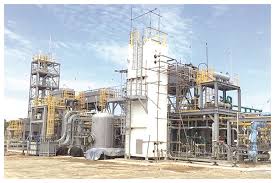
The Indian Ocean island nation, which is heavily dependent on fuel imports for its electricity and transport, has seen supply chains choked by the instability in the West Asia region.
The global energy fallout from the ongoing conflict in the Middle East has hit East Africa hard. On Tuesday, April 7, 2026, the government of Madagascar officially declared a nationwide state of energy emergency for a fortnight as the country grapples with a deepening fuel crisis triggered by the war involving Iran.
The decision was made during a special Cabinet meeting in the capital, Antananarivo, after officials observed that the energy disruptions were beginning to paralyze daily life, public services, and the national economy.
- Supply Chain Breakdown: Madagascar receives a large portion of its fuel from Oman (specifically the port of Sohar). While this port sits outside the Strait of Hormuz, the broader conflict and military activity in the region have caused significant shipping delays and massive spikes in insurance and freight costs.
- Electricity at Risk: Because Madagascar relies on thermal power plants to generate much of its electricity, the fuel shortage is directly translating into power outages across the island.
- The “Iran War” Factor: The ongoing U.S.-Israel-Iran conflict has pushed global crude prices to record highs, making it nearly impossible for smaller economies to maintain their usual import levels.
The 15-day declaration gives the Malagasy government the power to take “exceptional and urgent measures” to stabilize the situation. These include:
- Fuel Prioritization: Directing available petrol and diesel stocks to essential services like hospitals, security, and emergency transport.
- Rationing: Implementing stricter controls at filling stations to manage the “panic buying” and long queues that have formed across major cities.
- Price Stabilization: Rapidly adjusting local energy policies to cushion the blow of global price hikes on the average citizen.
Madagascar isn’t alone in this struggle. Across the continent, governments are scrambling to respond to the $111+ per barrel crude prices.
- Zambia has already removed VAT and suspended excise duties on fuel for three months.
- Botswana has suspended road and fuel levies to help keep transport costs down.
- Meanwhile, in Nigeria, the Dangote Refinery is working overtime to supply regional neighbors as an alternative to Middle Eastern imports.
As the war in the Middle East enters a decisive phase, the energy vulnerability of African nations is being laid bare. For Madagascar, the next two weeks will be a critical test of resilience as they wait for shipments to arrive and for global tensions to—hopefully—ease following recent ceasefire talks.


Latest Post!!!
-
 Omah Lay – COPING MECHANISM ft. ELMAH
-
Omah Lay – WATER SPIRIT
-
 Omah Lay – JAH JAH KNOWS
-
Omah Lay – ARTIFICIAL HAPPINESS
-
 UN Says Over 80 Migrants Missing From Boat That Capsized After Leaving Libya
-
 JoBlaq – SHAKE IT Ft. Ayox
-
 Zoro Swagbag – Halleluyah ft. Loud Urban Choir
-
 Balloranking – Angelina
-
 Mavo – Shy Lover
-
 Evado – I’m ready
-
Evado – Olili
-
Evado – By Now
-
Evado – DNA
-
Evado – Promise land
-
 TiMi – Over Me ft. Ladé & Chella
-
 Jnr elder – Mr Musky
-
 Ozedikus – MOFO ft Brownboi vbz
-
Ozedikus – WYD ft. Babyboy AV & Alpha P
-
 Boy Spyce – Arise Ft. Falz
-
 BIG VYBZ – FEEL ALIVE Ft. Rexxie
Do you find Music and Gist Hub useful? Click here to give us five stars rating!