
DR Congo Ebola Outbreak Escalates Past 900 Suspected Cases Amid Critical Shortages and Attacks on Personnel
Comment

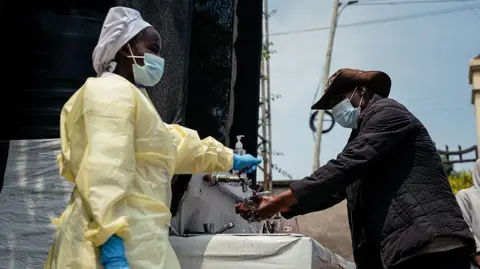
The situation in the eastern Democratic Republic of Congo is deteriorating rapidly. The World Health Organization (WHO) and the Congolese Ministry of Communication have confirmed that suspected cases have surged past the 900 mark, highlighting a complex and highly volatile health crisis.
. A Rare Strain with No Approved Vaccine
The current epidemic is caused by the Bundibugyo strain of the Ebola virus, which was confirmed after initial local tests in Bunia failed to detect the more common Zaire strain.
- Unlike the Zaire strain, there are currently no approved vaccines or specific therapeutics for the Bundibugyo virus.
- While health officials are reviewing experimental candidates, the lack of an immediate medical shield makes containment entirely dependent on classic public health interventions.
2. Critical Shortages on the Frontlines
Aid groups and healthcare workers on the ground are facing severe resource constraints, compounded by international aid cuts enacted last year. Frontline teams report critical shortages of basic PPE, including face shields and protective suits. Furthermore, there is a severe deficit of testing kits and body bags—the latter being essential for conducting safe, dignified burials to prevent the highly contagious post-mortem transmission of the virus.
3. Attacks on Personnel and Infrastructure
The response is unfolding in a highly insecure environment, particularly in Ituri and North Kivu provinces.
- Arson Attacks: Just last week, two separate Ebola treatment centers were targeted and burned down by unidentified attackers.
- Deep-Seated Mistrust: Experts note that these attacks reflect a deep-seated skepticism and anger among local populations. Years of conflict involving rebel groups (like M23), massive civilian displacement, and perceived failures by local authorities and international peacekeepers have left communities deeply distrustful of outside intervention.
4. The Risk of Rapid Expansion
The WHO has classified the outbreak as a Public Health Emergency of International Concern (PHEIC), noting a “very high” risk for the DRC and neighboring regions.
- Cross-Border Spread: Neighboring Uganda has already confirmed imported cases, placing regional health authorities on high alert.
- Displacement Camps: There is severe concern that the virus could infiltrate the densely populated displacement camps near Bunia, where sanitation is fragile and social distancing is impossible.
The Path Forward: WHO and local health officials emphasize that containing this outbreak will require moving away from coercive measures. Instead, the focus must shift heavily toward grassroots community engagement—working directly with local leaders, churches, and schools to combat misinformation and secure voluntary cooperation for sanitary measures.


Latest Post!!!
-
 Chella – Pretty Nun
-
 Shallipopi – Ogo
-
Shallipopi – Up (Transovania)
-
Shallipopi – .Com
-
 Fireboy DML – Fighting
-
Fireboy DML – Mimi Nawe
-
Fireboy DML – Light Of Dawn
-
Fireboy DML – Sex Love Understanding Trust
-
Fireboy DML – Onazo!
-
Fireboy DML – Kilowi
-
Fireboy DML – One Man Regiment
-
Fireboy DML – C’Est La Vie
-
Fireboy DML – Goddess Ft. Lojay
-
Fireboy DML – Dear Father Ft. Judah Earl
-
 G4 Boyz – Involve Me Ft. Famous Pluto
-
 Winnerman – Give Me Chance (Remix) Ft. Davido x Sabushebu
-
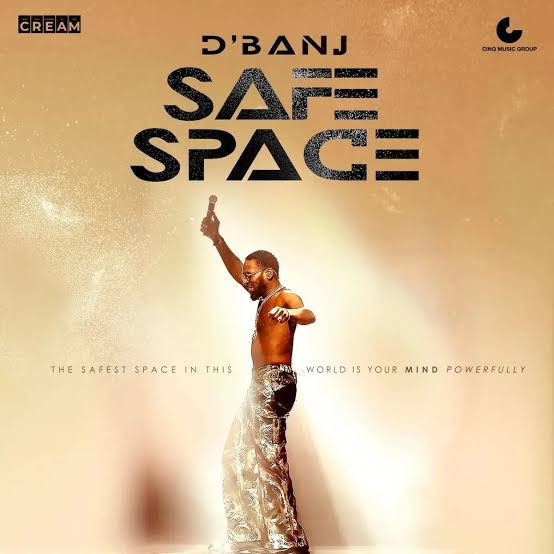 D’Banj – Safe Space
-
 Zoro – Ofuji Ft. Ruffcoin
-
 DennyB – Imalife
-
2baba – Mental Ft. Fave
Do you find Music and Gist Hub useful? Click here to give us five stars rating!