
Presidency Rejects Atiku’s Criticism, Says Tinubu’s Reforms Have Revived Nigeria’s Economy
Comment

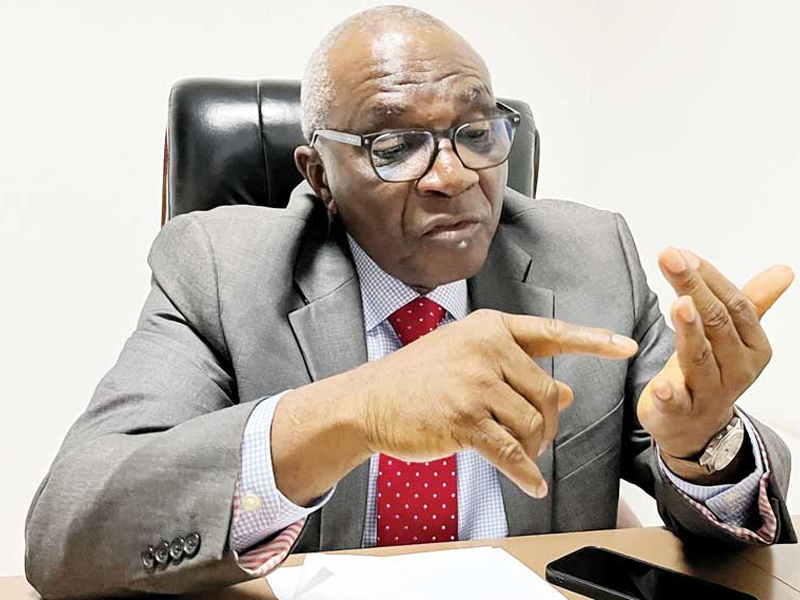
Presidency Fires Back at Atiku: “Tinubu’s Economic Reforms Are Working”
The political heat in Nigeria just bumped up a notch as the Presidency firmly rejected criticisms from former Vice President Atiku Abubakar regarding President Bola Ahmed Tinubu’s economic policies.
In a detailed response, the Presidency declared that the administration’s tough fiscal decisions are already yielding measurable results and restoring economic stability across the nation.
What Triggered the Clash?
The latest round of political fireworks started after Atiku Abubakar released a fiery statement accusing the Tinubu administration of:
- Fiscal Recklessness & Excessive Borrowing: Questioning the government’s debt management strategy.
- Punitive Tax Reforms & Subsidy Woes: Claiming the removal of fuel subsidy and current tax policies have inflicted severe hardship on everyday Nigerians without clear accountability.
- “Creative Accounting”: Alleging an unaccounted ₦7.98 trillion oil revenue windfall and accusing the government of hiding behind statistics.
The Presidency’s Clapback: “Facts, Not Fear”
Responding through the Special Adviser to the President on Information and Strategy, Bayo Onanuga, the Presidency dismissed Atiku’s claims as misleading, outdated, and detached from current realities.
In a statement titled “Facts, Not Fear: A Point-by-Point Response to Atiku Abubakar on Nigeria’s Reform Journey,” Onanuga argued that the opposition is relying on old data to judge a dynamic economy.
“Judging a reform programme solely by its earliest and most painful phase is like judging chemotherapy by the nausea it induces while ignoring the remission it seeks to achieve.”
— Bayo Onanuga, Special Adviser on Information and Strategy
Key Takeaways from the Presidency’s Defence
| Economic Metric / Issue | Presidency’s Clarification |
| GDP Recovery | Dollar GDP rebounded from $253 billion (post-currency reset) to ~$377 billion. Naira GDP expanded from ₦314 trillion to ~₦530 trillion. |
| Debt Sustainability | Debt service-to-revenue ratio dropped from nearly 100% in Dec 2022 to less than 60%. Borrowing remains structured for productive investments. |
| Tax Reforms | Designed to protect low-income earners (earning ₦1M or less annually) and small businesses (turnover under ₦100M). |
| Fuel Subsidy Savings | Reinvested into states and local governments via the Federation Account for sub-national infrastructure, health, and education. |
| Alleged Oil Windfall | Dismissed as flawed math. Lower production volumes and previous forward-sales commitments explain actual fiscal inflows. |
The Big Picture
While millions of Nigerians continue to feel the pinch of structural adjustments, the Presidency insists that the economy has moved past its most severe adjustment phase. According to Onanuga, structural distortions inherited from past administrations—including the Obasanjo-Atiku era—required bold fixes rather than political posturing.


Latest Post!!!
-
 Black Sherif – Frontline
-
 Mavo – Find My Babe
-
 Zoro Swagbag – Big Shot
-
Black Sherif – Expresso
-
 Yung Miami – Spend Dat (International Remix) Ft. Davido, Shenseea x Vybz Kartel
-
 ID Cabasa – Sojourner Ft. Kayefi
-
ID Cabasa – Para Ft. T-Classic
-
 Zinoleesky – Dantata
-
 Guchi – Call Me
-
 Victor AD – Heal Me (Time)
-
 Odumodublvck – Isale Eko
-
 Ayra Starr – Dance
-
Ayra Starr – Misunderstood
-
Ayra Starr – Ms. Paper Ft Theodora
-
Ayra Starr – Amazing Ft Kwn
-
Ayra Starr – Dangerous
-
Ayra Starr – Amazing Ft Kwn
-
Ayra Starr – Treasure
-
Ayra Starr – Hot Body (Remix) Ft Danny Ocean
-
Ayra Starr – Midnight in New York
Do you find Music and Gist Hub useful? Click here to give us five stars rating!