
US seizes Venezuela-linked Russian oil tanker
Comment


The U.S. Department of Justice (DOJ) announced in early that it had seized a Russian-managed oil tanker in the Panama Canal for transporting sanctioned Venezuelan oil.
This event is a significant example of the U.S. aggressively enforcing its sanctions regimes against both Venezuela and Russia.
It was carrying approximately 920,000 gallons of Venezuelan crude oil.
The tanker was seized while transiting the Panama Canal, a critical global shipping chokepoint.
The U.S. government filed a civil forfeiture complaint, alleging that the vessel and its cargo were subject to seizure because they were used to facilitate a transaction that violated U.S. sanctions on Venezuela’s state-owned oil company, Petróleos de Venezuela, S.A. (PDVSA).
The shipping company that owns the Bali Island is managed by a company based in the United Arab Emirates. That management company is, in turn, owned by a sanctioned Russian entity. This directly links the operation to Russia’s network of businesses that have been targeted by U.S. sanctions following the invasion of Ukraine.
The “Why”: Geopolitical and Legal Context
- U.S. Sanctions on Venezuela: The United States has imposed extensive economic sanctions on Venezuela, particularly targeting its oil sector. The primary goal is to cut off revenue to the regime of Nicolás Maduro, which the U.S. and many other countries consider illegitimate and accuse of corruption, human rights abuses, and undermining democracy. Selling oil without a specific license from the U.S. Treasury’s Office of Foreign Assets Control (OFAC) is illegal for U.S. persons and entities, and the U.S. works to prevent such sales globally.
- The Russia Link: This seizure is not just about Venezuela. It’s also about Russia. The U.S. is actively targeting networks that help sanctioned countries evade penalties. By seizing a tanker managed by a sanctioned Russian entity, the U.S. is sending a dual message:
- To Venezuela: We will shut down your creative workarounds to sell oil.
- To Russia and its enablers: We will pursue your global business interests that help other sanctioned regimes, further isolating you from the international financial system.
- Legal Mechanism (Civil Forfeiture): The U.S. used a civil forfeiture action. This is a powerful legal tool where the government sues the property itself (in this case, the ship and its oil) rather than just the owners. To win, the government must prove by a “preponderance of the evidence” that the property was involved in or represents the proceeds of illegal activity. This allows the U.S. to seize assets located in areas where it has legal reach, even if the owners are foreign nationals.
Implications and Significance
- A Strong Warning: The seizure serves as a stark warning to shipping companies, traders, and financial institutions worldwide that facilitating trade in sanctioned oil is a high-risk activity. The U.S. is willing to act decisively, even in international waters like the Panama Canal.
- Disrupting Sanctions Evasion: Venezuela and Russia have increasingly relied on “shadow fleets” of opaquely owned and managed tankers to move their oil. This seizure disrupts that network and demonstrates a U.S. capability to track and interdict these vessels.
- Financial Blow: While one tanker is a small fraction of Venezuela’s potential output, each successful sale provides critical revenue to the Maduro regime. Seizing the vessel and cargo represents a direct financial loss.
- Increased Market Risk: Such actions increase the risk and cost of trading in “sanctioned” or “dirty” oil, potentially raising insurance premiums and making it harder for these regimes to find buyers.


Latest Post!!!
-
 Tyla – She Did It Again Ft. Zara Larsson
-
 DJ YK Mule – Kilonson
-
 LeriQ – Unstoppable Ft. Teni, Portable x Terry Apala
-
 Fally Ipupa – Jam Ft. Wizkid
-
 Spinall – Shaba Ft. Mavo x Deto Black
-
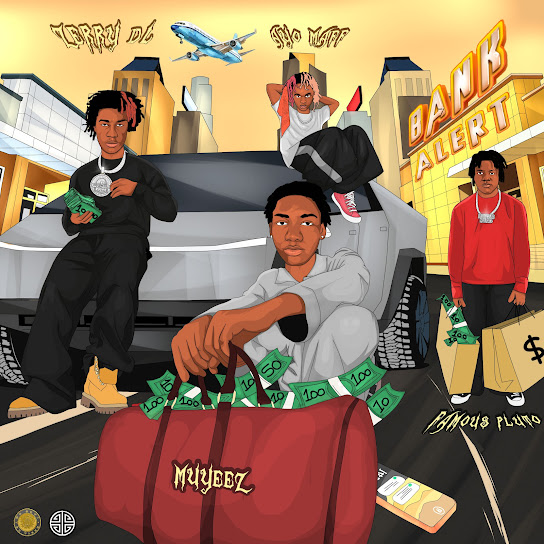 Zerrydl – Bank Alert Ft. Muyeez, Ayo Maff x Famous Pluto
-
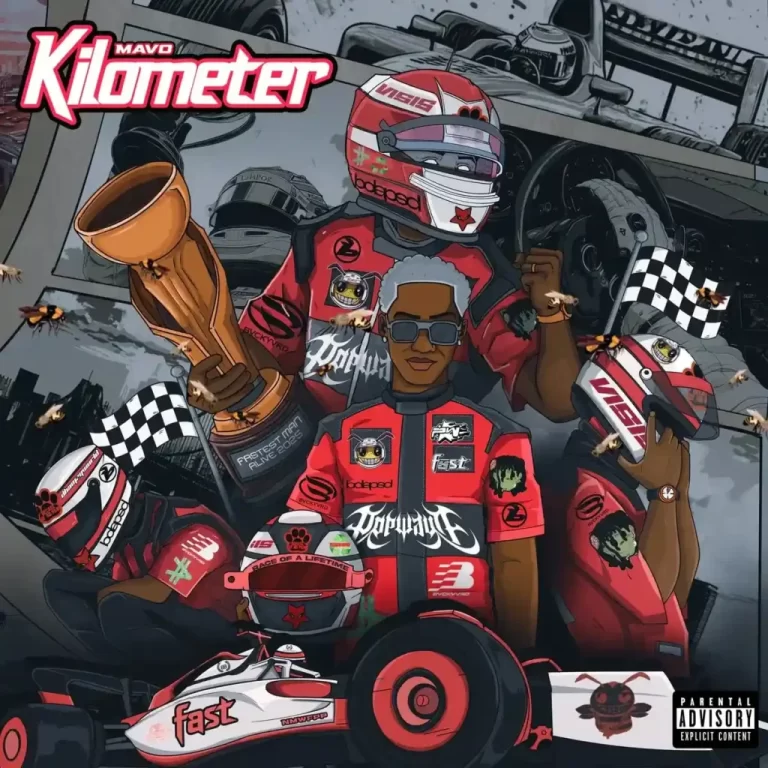 Mavo – Fuga
-
 King Promise – Mad Ting Ft. Mr Eazi
-
King Promise – Criminal Ft. Mr Eazi
-
King Promise – Where Have You Been Ft. Mr Eazi
-
King Promise – Taste Ft. Mr Eazi
-
King Promise – No.1 Fan Ft. Mr Eazi
-
 Portable – Olajide
-
Portable – Guide and Bob
-
Portable – Lolipop
-
Portable – Dorime
-
Portable – Hu Tor Gah
-
Portable – Alubebe
-
 Adekunle Gold – Formation ft. Olamide
-
 Dj Khalipha – Home
Do you find Music and Gist Hub useful? Click here to give us five stars rating!