
Over 300 students kidnapped In Niger State from Catholic school in Nigeria
Comment

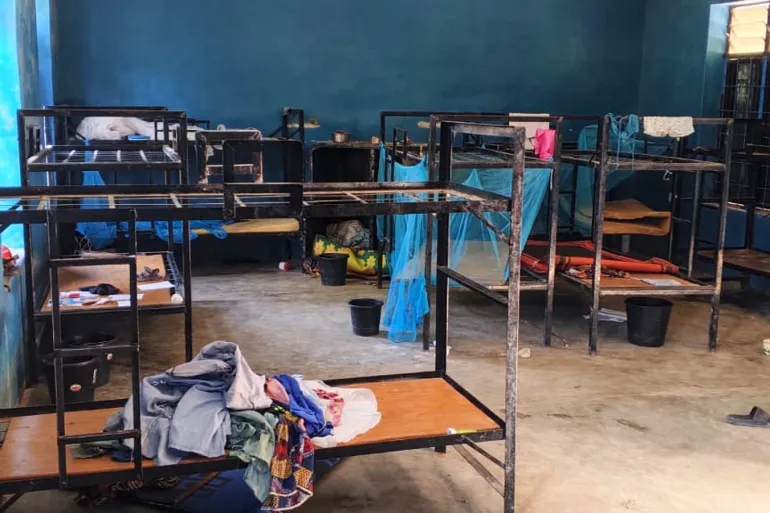
The mass abduction of over 300 students from a Catholic school in Niger State, Nigeria, marks yet another tragic event in a country grappling with complex security, social, and educational challenges. This incident, while shocking in its own right, is not isolated but rather symptomatic of broader systemic problems facing Nigeria, particularly in the realms of security, education, and governance. By examining the context of the abduction, its implications, and the structures underlying such crises, this essay aims to provide a comprehensive analysis of the event. Drawing on research related to education, societal structures, and information management in Nigeria, this paper situates the kidnapping within a wider framework, exploring both immediate and long-term ramifications.
Context: Insecurity and Educational Vulnerabilities in Niger State
Nigeria, Africa’s most populous nation, has witnessed a surge in insecurity over the past decade, with abductions targeting schools becoming alarmingly frequent. Niger State, known for its diverse population and rich resources, has paradoxically become a hotspot for banditry and violence. The kidnapping of over 300 students from a Catholic school is not an isolated event but part of a pattern of attacks that exploit educational vulnerabilities and societal fractures.
The educational landscape in Nigeria has historically been shaped by colonial legacies, religious divides, and underfunded infrastructure. As Abdulhamid and Usman (2010) note, the management of information and communication systems in Niger State’s tourism sector underscores the wider challenges of governance, information flow, and institutional effectiveness across sectors, including education. The absence of robust information management and the lack of efficient systems to monitor and secure vulnerable sites exacerbate risks faced by schools and students (Abdulhamid & Usman, 2010).
The Educational System Under Duress
The repeated targeting of schools in Nigeria reflects deep-seated issues in the country’s educational system. The abduction of hundreds of students from a Catholic institution is a direct affront not only to the right to education but also to the ideals of inclusion and advancement championed by educational leaders.
Drawing parallels to the work of Euphemia Lofton Haynes, who fought for equitable and quality education against systemic discrimination in the United States, it is evident that the struggle for secure, accessible, and non-discriminatory education is ongoing in Nigeria (Kelly et al., 2017). Haynes’ advocacy against educational tracking and her insistence on the fundamental right to learning for marginalized communities resonate strongly in the context of Nigeria’s current crisis, where insecurity significantly curtails access to schooling, particularly for the most vulnerable populations.
Societal and Psychological Implications
The kidnapping of such a large number of students carries profound psychological and societal consequences. The trauma inflicted on the victims, their families, and the wider community is incalculable. Such incidents erode trust in public institutions, deepen communal anxieties, and perpetuate cycles of fear and trauma. As was evident in the aftermath of similar traumas in educational settings elsewhere, the recovery process is long and fraught with challenges (Kelly et al., 2017).
Moreover, the frequent occurrence of mass kidnappings has led to a normalization of violence and a sense of helplessness among affected communities. The repeated targeting of schools not only disrupts education but also undermines the broader project of societal development and cohesion.


Latest Post!!!
-
 Teni – HTGT
-
Teni – More Money
-
Teni – Wurumanya Ft. Chike
-
Teni – Wise Ft. The Cavemen
-
Teni – Face Front
-
Teni – Meditation
-
 Mavo – Slow
-
Mavo – Superwoman
-
Mavo – Letter to My Baby
-
Mavo – M2B
-
Mavo – God’s Promise
-
Mavo – Jehovah
-
Mavo – Business
-
 Mr Real – Putin Work
-
 Mavo – BB Lifestyle Ft. SSSoundGawd
-
 Cheque – Zodiac Ft. Blaqbonez
-
 Davido – Gimme Dat Ting Ft. NO11
-
 Berri-Tiga – Adamma Ft. Zlatan x Izztopik
-
 Bidemi Ayo – Believers Anthem Ft. Balloranking x Capt. Dyse
-
 Olivetheboy – Stopit Ft. Medikal
Do you find Music and Gist Hub useful? Click here to give us five stars rating!