
TikTok suspends nighttime livestreams in Nigeria
Comment


The situation in Nigeria highlights the growing global tension between national governments and powerful tech platforms. Governments are increasingly demanding that social media companies take more responsibility for the content hosted on their platforms, while platforms advocate for a balance that preserves user freedom and innovation.
Nigeria’s approach here is notably surgical compared to its past actions. The 2021 Twitter ban was a blunt instrument that lasted for seven months and drew widespread international criticism before being lifted. In contrast, the TikTok livestream suspension is a targeted intervention aimed at a specific problem during a specific time frame.
This new strategy could serve as a blueprint for other nations grappling with similar challenges. It demonstrates a willingness to regulate without completely shutting down a service, acknowledging the platform’s economic and social value.
The effectiveness of the nighttime livestream ban remains to be seen. Scammers may simply shift their activities to other times of the day or migrate to different platforms. For now, TikTok users in Nigeria who attempt to go live during the restricted hours are met with a simple message stating that the feature is unavailable.
As the dust settles, the key questions will be: Will this measure successfully reduce online fraud? Will it be a temporary measure or a permanent policy? And how will it shape the future of content creation and digital regulation in Nigeria?
For now, the once-bustling nighttime world of Nigerian TikTok livestreams has fallen silent, a stark reminder of the ongoing battle to create a safer, more accountable digital space.


Latest Post!!!
-
 G4 Boyz – Azul (Remix) ft Mavo
-
 Ntsako XVI – Ngeke ft Shaun101, Uncool MC & Ch’cco
-
 G4 Boyz – Azul (Remix) ft Mavo
-
 Kcee – Idi Bad ft Olamide
-
 Larry Gaaga – Luvin
-
 Fido – Dance for Jesus Ft Zlatan & ODUMODUBLVCK
-
 Olamide – Formation Ft Adekunle Gold
-
 Mark Dismisses ADC Crisis As Party Leaders Protest At INEC HQ, Demand Chairman’s Removal
-
 Omah Lay – COPING MECHANISM ft. ELMAH
-
Omah Lay – WATER SPIRIT
-
 Omah Lay – JAH JAH KNOWS
-
Omah Lay – ARTIFICIAL HAPPINESS
-
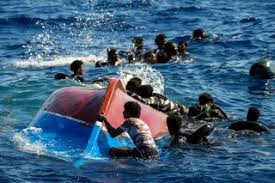 UN Says Over 80 Migrants Missing From Boat That Capsized After Leaving Libya
-
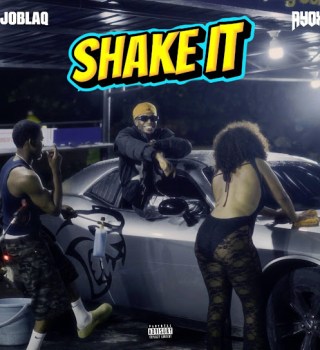 JoBlaq – SHAKE IT Ft. Ayox
-
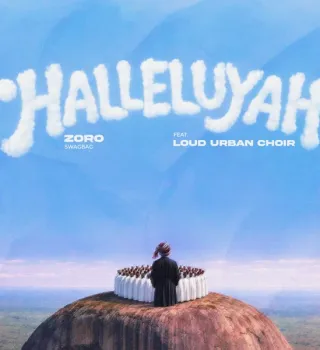 Zoro Swagbag – Halleluyah ft. Loud Urban Choir
-
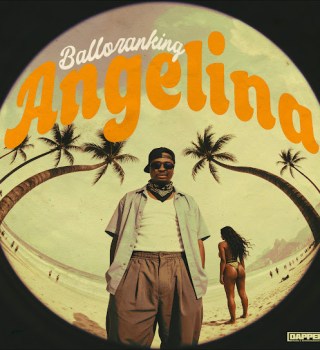 Balloranking – Angelina
-
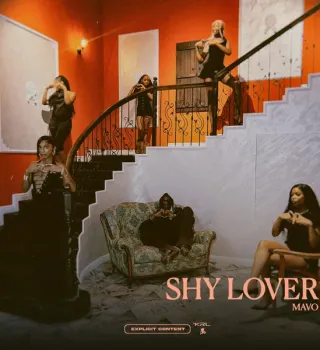 Mavo – Shy Lover
-
 Evado – I’m ready
-
Evado – Olili
-
Evado – By Now
Do you find Music and Gist Hub useful? Click here to give us five stars rating!