
FG Outspends Biafra Lobbyists Seeking To Influence Trump On Nigeria
Comment


In recent months, the landscape of political lobbying has seen significant shifts, particularly concerning the relationship between Nigeria and prominent figures in the United States, including the former President Donald Trump. A notable development has arisen as the Nigerian Federal Government (FG) has reportedly outspent lobbyists representing the Biafra cause in their efforts to sway support and influence U.S. policy towards Nigeria.
The quest to gain favor in Washington D.C. is not unique to Nigeria; however, the stakes are exceptionally high given the ongoing tensions surrounding the Biafra movement, which advocates for the independence of the southeastern region of Nigeria. As the calls for Biafran sovereignty gain traction among certain groups in Nigeria and the diaspora, the response from the Nigerian government underscores the seriousness with which they view this issue.
The Nigerian government has mobilized significant resources to counter the narrative being put forth by Biafran advocates. Their approach has involved hiring public relations firms and lobbyists to polish Nigeria’s image and present a united front against any perceived attempts to subvert its territorial integrity. This multifaceted strategy aims not only to influence U.S. policymakers but also to safeguard foreign investments and strengthen bilateral relationships.
In stark contrast, the Biafran lobby, while passionate and dedicated, has faced challenges in matching the financial clout of the Nigerian government. Their efforts often rely more on grassroots support and social media campaigns rather than the substantial funding that the FG can allocate for this purpose. Despite their limited resources, advocates continue to bring attention to issues such as human rights abuses and the need for self-determination for Biafra.
The involvement of U.S. officials and the potential influence they exert can have significant ramifications for Nigeria at large. A favorable stance from influential Americans or organizations can lead to increased scrutiny of the Nigerian government’s actions, while a robust lobbying effort by the FG may mitigate calls for reforms or changes in policy concerning the Biafra situation.
As we observe these developments, the growing competition between the Nigerian government and Biafra lobbyists highlights the complexities of international relations and domestic politics. It underscores the importance of financial resources in shaping narratives within global dialogues, particularly in the realm of human rights and national sovereignty.
The implications of this lobbying battle will be crucial as the U.S. continues to navigate its foreign policy interests in Africa. It remains essential for all parties involved to engage in a constructive dialogue that respects human rights and addresses the legitimate concerns of those advocating for the Biafran cause.
As we move forward, it will be interesting to see how this dynamic evolves and what it might mean for the future of Nigeria’s governance and the Biafran movement. Only time will tell if the innovation of different advocacy techniques—whether grassroots or institutional—will resonate more effectively within the corridors of power.
For more updates on this evolving situation, stay tuned as we continue to follow the latest developments in the intersection of Nigerian affairs and U.S. politics.


Latest Post!!!
-
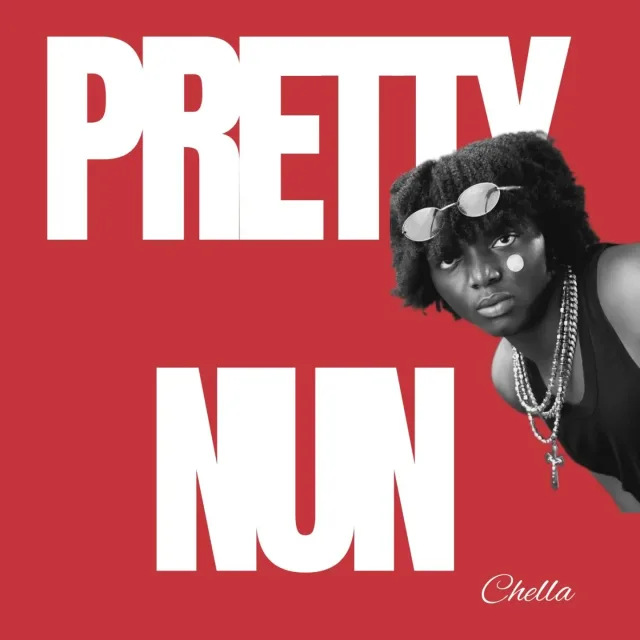 Chella – Pretty Nun
-
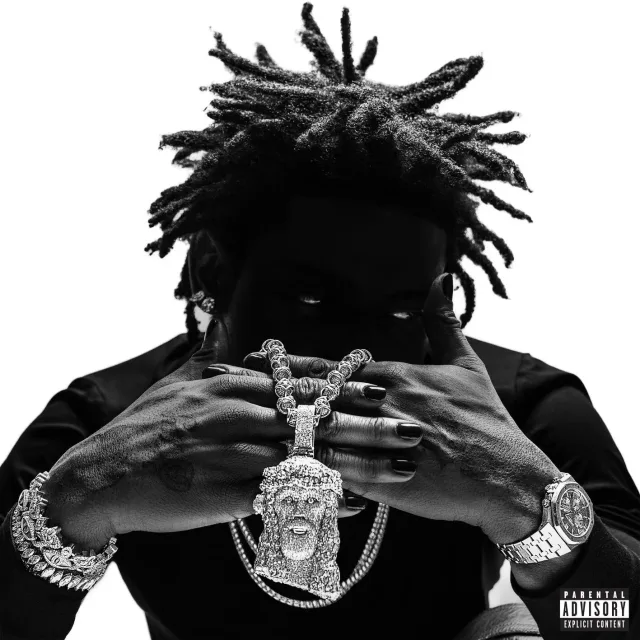 Shallipopi – Ogo
-
Shallipopi – Up (Transovania)
-
Shallipopi – .Com
-
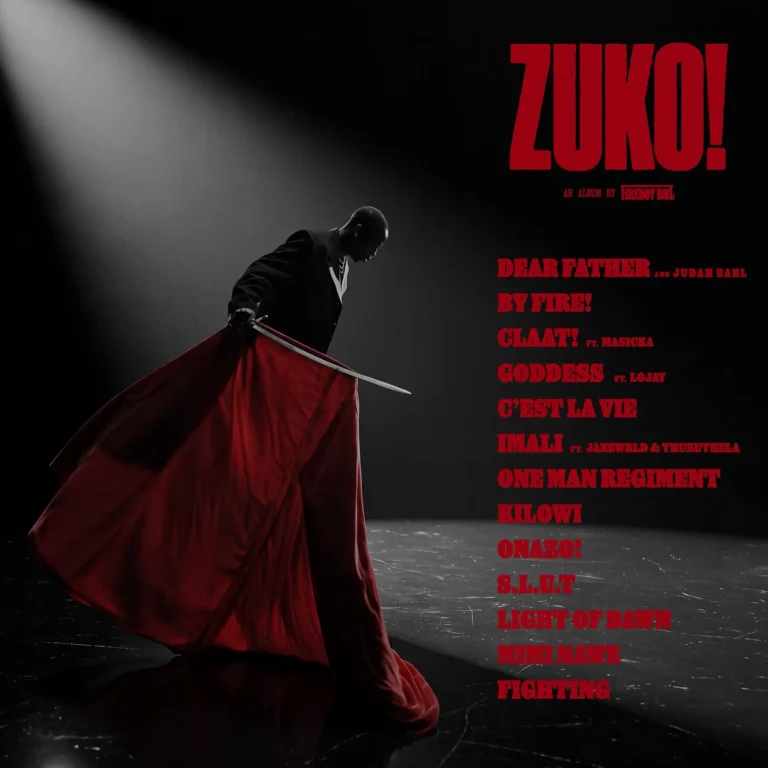 Fireboy DML – Fighting
-
Fireboy DML – Mimi Nawe
-
Fireboy DML – Light Of Dawn
-
Fireboy DML – Sex Love Understanding Trust
-
Fireboy DML – Onazo!
-
Fireboy DML – Kilowi
-
Fireboy DML – One Man Regiment
-
Fireboy DML – C’Est La Vie
-
Fireboy DML – Goddess Ft. Lojay
-
Fireboy DML – Dear Father Ft. Judah Earl
-
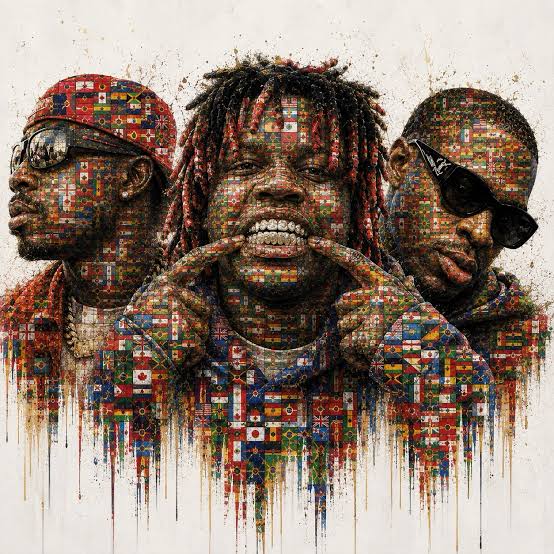 G4 Boyz – Involve Me Ft. Famous Pluto
-
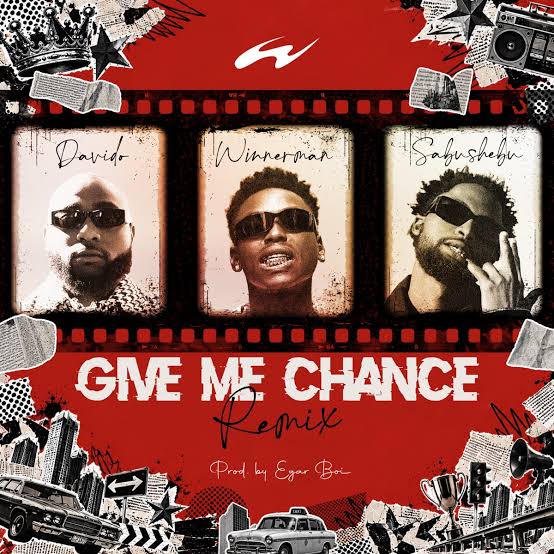 Winnerman – Give Me Chance (Remix) Ft. Davido x Sabushebu
-
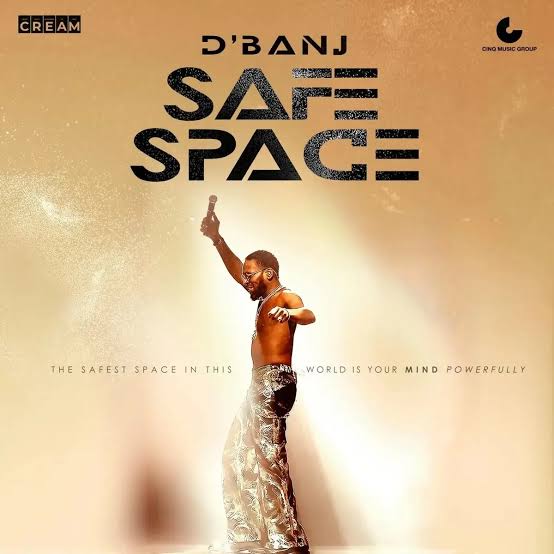 D’Banj – Safe Space
-
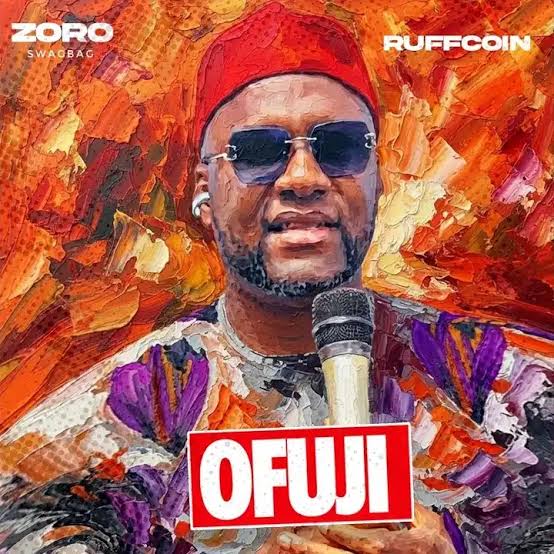 Zoro – Ofuji Ft. Ruffcoin
-
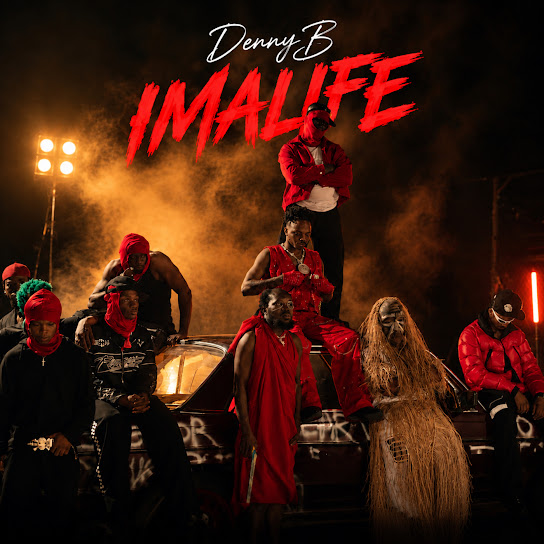 DennyB – Imalife
-
2baba – Mental Ft. Fave
Do you find Music and Gist Hub useful? Click here to give us five stars rating!