Oil prices soar to almost $120 per barrel after naming of Iran’s new supreme leader
Comment


global oil prices experienced a dramatic surge, briefly nearing $120 per barrel following the appointment of Mojtaba Khamenei as Iran’s new Supreme Leader. The succession comes just nine days after his father, Ayatollah Ali Khamenei, was killed in U.S.-Israeli strikes on February 28, 2026.
The market reaction reflects deep-seated fears that the transition marks a “new dawn” of hardline leadership and further military escalation in the ongoing Middle East conflict.
- Peak Surge: Early Monday trading saw Brent Crude surge to $119.50, a level not seen in years. West Texas Intermediate (WTI) followed suit, soaring above $119.48.
- Correction: Prices pulled back later in the day, with Brent settling near $106 and WTI near $103, after reports surfaced that G7 nations are considering a coordinated release of strategic oil reserves to stabilize the market.
- Strait of Hormuz Disruption: Tanker traffic through the Strait—responsible for 20% of the world’s oil—has effectively halted due to the threat of Iranian missile and drone attacks. Consequently, Iraq, Kuwait, and the UAE have begun cutting production as their storage tanks reach capacity.
Political Context: The New Supreme Leader
The Assembly of Experts officially named the 56-year-old Mojtaba Khamenei as successor on Sunday, March 8.
- Military Loyalty: The Islamic Revolutionary Guard Corps (IRGC) and the Iranian military have already pledged “full obedience” to Mojtaba, signaling a seamless transition of the war strategy.
- U.S. Response: President Donald Trump dismissed the price spike as a “small price to pay” for long-term regional security, asserting that prices will drop once the “Iranian nuclear threat” is eliminated.
Economic Impact
“All parties have their responsibility to ensure stable and smooth energy supplies. China will take necessary measures to safeguard its own energy security.” — Guo Jiakun, Chinese Foreign Ministry Spokesman.
The spike has sent shockwaves through global markets:
- Asia: Tokyo’s Nikkei 225 plunged 7%, while the Indian Rupee hit an all-time low of 92.35 against the US dollar.
- Industry: Nasscom has issued advisories for tech companies to heighten cyber resilience as regional instability grows.
The international community is now watching for the formal G7 announcement regarding oil reserve releases, which could determine if prices stay in the triple digits or retreat further toward $90.
The naming of Mojtaba Khamenei as Iran’s new Supreme Leader on March 8, 2026, has sent shockwaves through the global energy market. Prices for Brent crude and West Texas Intermediate (WTI) both spiked toward the $120 per barrel mark early Monday morning, levels not seen in years.
This surge is driven by a combination of leadership uncertainty, an intensifying military conflict, and significant threats to global supply chains.
1. The New Leadership: Mojtaba Khamenei
The Assembly of Experts officially announced Mojtaba Khamenei, the 56-year-old son of the late Ali Khamenei, as the successor following his father’s death in a U.S.-Israeli strike on February 28.
- Hardline Stance: Mojtaba is viewed as a staunch hardliner with deep ties to the Revolutionary Guard (IRGC). Analysts expect his leadership to be more confrontational, especially as he reportedly seeks “revenge” for the deaths of his father, wife, and child in the initial strikes.
- U.S. Opposition: President Donald Trump has already labeled Mojtaba an “unacceptable” choice, signaling that the U.S. may not de-escalate its military campaign under the new leadership.
2. Why Prices are Soaring
The market is reacting to “war-risk premiums” and physical supply disruptions:
- Strait of Hormuz: Threat of Iranian drone and missile attacks has nearly halted maritime traffic through this chokepoint, which handles 20% of the world’s oil.
- Infrastructure Attacks: Iranian strikes have targeted a desalination plant and oil refinery in Bahrain, while Israeli strikes have hit oil depots in Tehran and Isfahan.
- Production Cuts: Iraq, Kuwait, and the UAE have begun cutting production as their storage tanks fill up due to the inability to export through the blocked strait.


Latest Post!!!
-
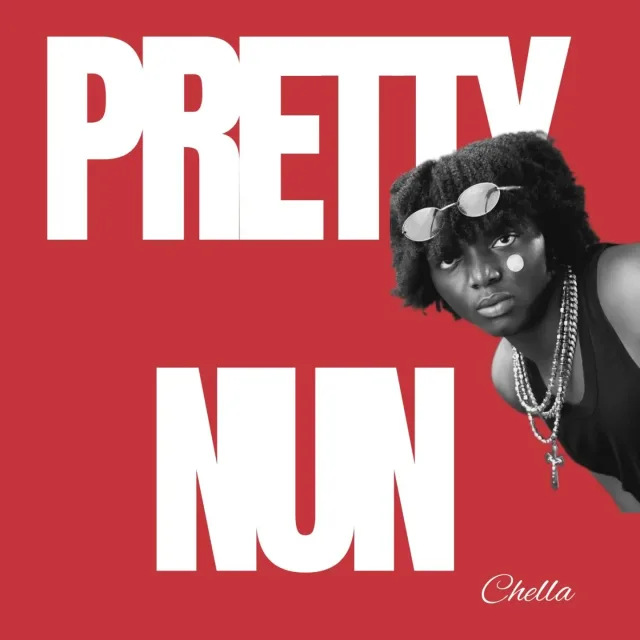 Chella – Pretty Nun
-
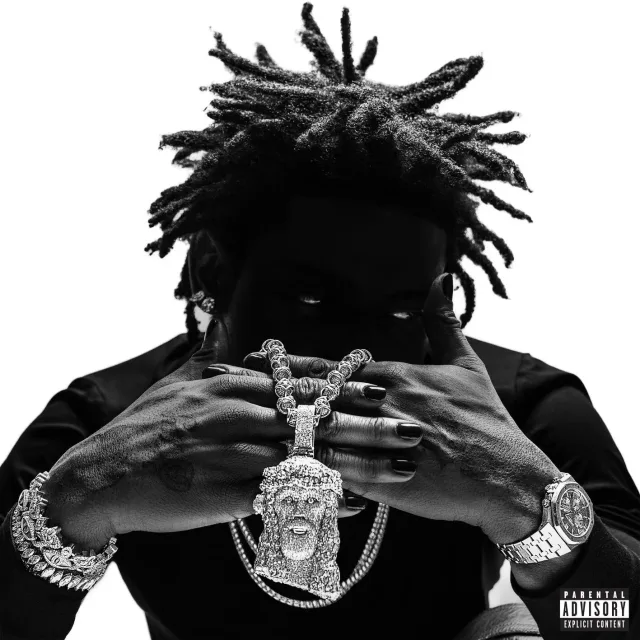 Shallipopi – Ogo
-
Shallipopi – Up (Transovania)
-
Shallipopi – .Com
-
 Fireboy DML – Fighting
-
Fireboy DML – Mimi Nawe
-
Fireboy DML – Light Of Dawn
-
Fireboy DML – Sex Love Understanding Trust
-
Fireboy DML – Onazo!
-
Fireboy DML – Kilowi
-
Fireboy DML – One Man Regiment
-
Fireboy DML – C’Est La Vie
-
Fireboy DML – Goddess Ft. Lojay
-
Fireboy DML – Dear Father Ft. Judah Earl
-
 G4 Boyz – Involve Me Ft. Famous Pluto
-
 Winnerman – Give Me Chance (Remix) Ft. Davido x Sabushebu
-
 D’Banj – Safe Space
-
 Zoro – Ofuji Ft. Ruffcoin
-
 DennyB – Imalife
-
2baba – Mental Ft. Fave
Do you find Music and Gist Hub useful? Click here to give us five stars rating!