Japan to restart world’s biggest nuclear plant after 15-year shutdown
Comment


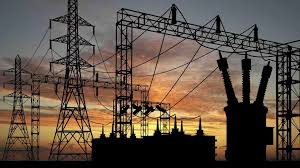
Japan’s Nuclear Regulatory Authority (NRA) has approved the restart of the Kashiwazaki-Kariwa nuclear power plant, the world’s largest in terms of output capacity. The plant, operated by Tokyo Electric Power Company (TEPCO), has been offline for over 15 years. The restart is a major step in Japan’s push to reintroduce nuclear power to achieve energy security and meet its climate goals, but it faces strong public and local opposition.
- Plant Name: Kashiwazaki-Kariwa Nuclear Power Station
- Location: Niigata Prefecture, on the coast of the Sea of Japan.
- Operator: Tokyo Electric Power Company (TEPCO), the same company responsible for the 2011 Fukushima Daiichi nuclear disaster.
- Capacity: With seven reactors, it is the largest nuclear plant in the world by net electrical output. The approval is specifically for the restart of the No. 7 reactor.
- Timeline of Shutdown: The plant has been offline since a 2007 earthquake that damaged its infrastructure. It was subsequently kept offline after the 2011 Tohoku earthquake and tsunami, which triggered the Fukushima disaster. This makes the total shutdown period over 15 years.
Why is it Restarting Now?
The Japanese government, under Prime Minister Fumio Kishida, is advocating for a significant expansion of nuclear power. The key drivers are:
- Energy Security: Japan is heavily reliant on imported fossil fuels (liquefied natural gas, coal, and oil). The global price volatility and supply chain disruptions, exacerbated by the war in Ukraine, have made this reliance a major economic and national security risk.
- Climate Goals: To become carbon-neutral by 2050, Japan sees nuclear power as a crucial source of stable, low-carbon electricity to complement intermittent renewable sources like solar and wind.
- Economic Pressure: High energy costs have been a burden on households and industries, and restarting existing nuclear reactors is seen as a way to lower electricity prices.
Safety Concerns and Major Controversy
The restart of Kashiwazaki-Kariwa is highly contentious for several reasons:
- Operator’s History: TEPCO’s role in the Fukushima disaster has severely damaged public trust. Many are skeptical that the company can safely operate any nuclear plant, let alone the world’s largest.
- Geological Risks: The plant is located in a region with a history of powerful earthquakes. Critics question whether the new safety measures are sufficient to withstand a major seismic event or tsunami.
- Regulatory Hurdles: The NRA’s approval was not immediate. The plant’s restart plan was previously rejected due to serious security lapses, including unauthorized access to sensitive areas by employees using false IDs. TEPCO had to implement sweeping reforms to address these deficiencies.
- Local Opposition: The prefectural governor of Niigata and many local residents are strongly against the restart. While the national government has approved the plan, the plant cannot physically restart without the consent of the local community, which has not yet been fully granted.
The restart of Kashiwazaki-Kariwa is a symbolic turning point for Japan. It represents a definitive move away from the post-Fukushima phase of phasing out nuclear energy and towards a future where it is a core component of the national energy strategy. The decision is being watched closely globally as a test case for whether a country can regain public trust and safely restart its nuclear industry after a major disaster.


Latest Post!!!
-
 Ikenga worldwide – Carry gurl
-
 Danny S – Ta Ta Ta
-
 Qing Madi – Lady Ft. Tiwa Savage x Flavour
-
Qing Madi – 1 Or 2 Ft. Zlatan x Eemoh
-
Qing Madi – 10 Over 10 Ft. Wande Coal
-
 Boy Spyce – Parousia (Interlude)
-
Boy Spyce – Jonah Ft. Wizard Chan x Kabaka Pyramid
-
Boy Spyce – Problems
-
 Young Legend – Let Me Go Ft. Joeboy x Abefe
-
 Rexxie – Gunners Riddim
-
 Skiibii – Champion Ft. Rybeena x Harmonize
-
 Patoranking – Shake That Ft. Ruger
-
 Tiwa Savage – Energy Ft. Wande Coal x Mavo
-
 Young Jonn – Elumelu
-
 Mavo – Feel Nice
-
 Dj Stunner – Afro Beat Vibes 2026
-
 EMO Grae feat. Zinoleesky – LOL
-
 Balloranking – Kawasaki (Freestyle)
-
 Magnito – Pain Me ft. Original Stereoman (Ekwe)
-
Magnito – Good People
Do you find Music and Gist Hub useful? Click here to give us five stars rating!