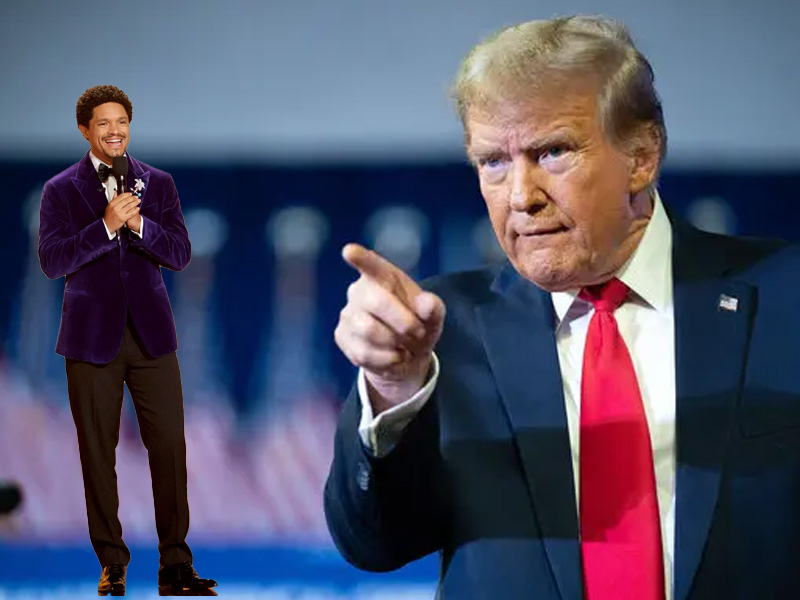
Iran’s warning, Europe fails to unite on war launched by US, Israel
Comment


the conflict initiated by the United States and Israel against Iran has created a significant rift within Europe. While some nations are moving toward defensive alignment with the U.S., others have vehemently condemned the military campaign, leading to a breakdown in European Union unity.
1. Iran’s “Act of War” Warning to Europe
Following the launch of “Operation Epic Fury” on February 28, 2026, Iran’s Foreign Ministry issued a direct ultimatum to European capitals:
- The Threat: Spokesman Esmaeil Baqaei stated that any European involvement—including allowing the use of bases or providing intelligence—would be considered an “act of war” and make those countries “complicit with the aggressors.”
- Targeting Cities: Tehran warned that its retaliatory strikes, which have already hit U.S. bases in the Gulf and a British base in Cyprus, could be expanded to target European cities if the continent joins the offensive.
- Retaliatory Price: Iran further warned that EU countries would “pay the price, sooner or later” for remaining silent on what it calls an illegal war of choice aimed at regime change.
2. The European Divide: “No to War” vs. “Defensive Action”
The European response is currently split into three distinct camps, preventing a unified EU stance:
Gemini said
As of March 5, 2026, the conflict initiated by the United States and Israel against Iran has created a significant rift within Europe. While some nations are moving toward defensive alignment with the U.S., others have vehemently condemned the military campaign, leading to a breakdown in European Union unity.
1. Iran’s “Act of War” Warning to Europe
Following the launch of “Operation Epic Fury” on February 28, 2026, Iran’s Foreign Ministry issued a direct ultimatum to European capitals:
- The Threat: Spokesman Esmaeil Baqaei stated that any European involvement—including allowing the use of bases or providing intelligence—would be considered an “act of war” and make those countries “complicit with the aggressors.”
- Targeting Cities: Tehran warned that its retaliatory strikes, which have already hit U.S. bases in the Gulf and a British base in Cyprus, could be expanded to target European cities if the continent joins the offensive.
- Retaliatory Price: Iran further warned that EU countries would “pay the price, sooner or later” for remaining silent on what it calls an illegal war of choice aimed at regime change.
2. The European Divide: “No to War” vs. “Defensive Action”
The European response is currently split into three distinct camps, preventing a unified EU stance:
3. Key Factors Fueling the Friction
- The “Trump Factor”: Many European leaders were not consulted before the strikes began. President Trump’s “America First” approach and his public criticism of UK PM Keir Starmer (for taking “too long” to grant base access) have strained the Transatlantic alliance.+1
- International Law: Some EU officials argue that supporting the strikes undermines Europe’s credibility as a defender of the “rules-based order,” especially after the death of Supreme Leader Ali Khamenei in the opening salvos.
- Energy and Migration: With the Strait of Hormuz facing potential closure, gas prices in Europe have surged. Additionally, countries like Türkiye have warned that a total collapse of the Iranian state could trigger a massive new refugee crisis.+1
Current Status
Today, March 5, EU and Gulf ministers held emergency talks. While they jointly urged Iran to end “indiscriminate” attacks, the EU remains unable to agree on a coherent strategy beyond calling for de-escalation and protecting its own borders.+


Latest Post!!!
-
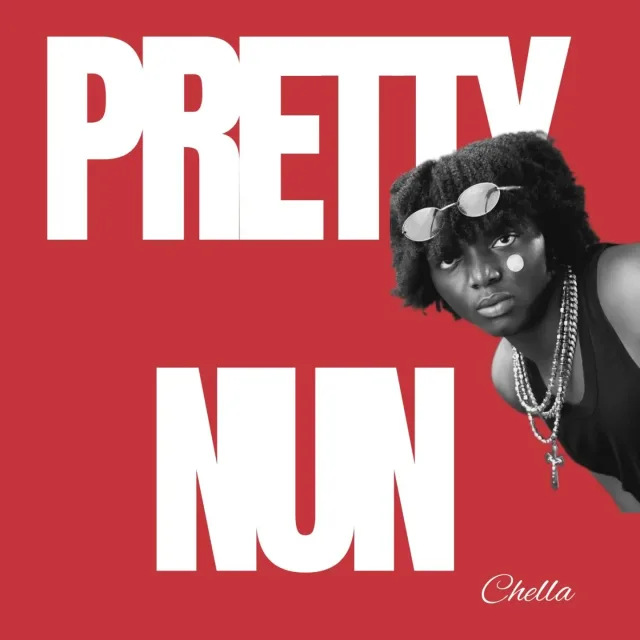 Chella – Pretty Nun
-
 Shallipopi – Ogo
-
Shallipopi – Up (Transovania)
-
Shallipopi – .Com
-
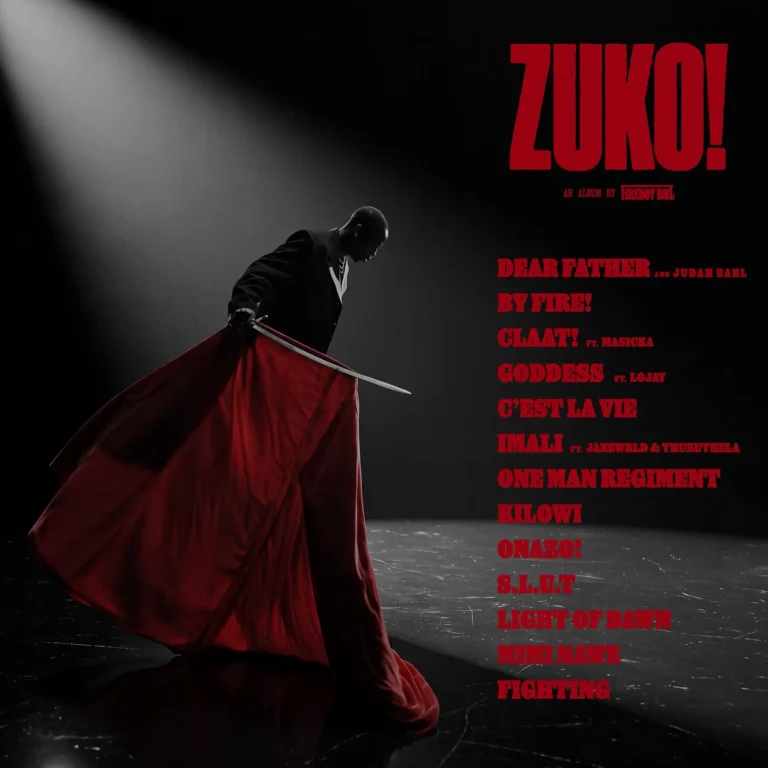 Fireboy DML – Fighting
-
Fireboy DML – Mimi Nawe
-
Fireboy DML – Light Of Dawn
-
Fireboy DML – Sex Love Understanding Trust
-
Fireboy DML – Onazo!
-
Fireboy DML – Kilowi
-
Fireboy DML – One Man Regiment
-
Fireboy DML – C’Est La Vie
-
Fireboy DML – Goddess Ft. Lojay
-
Fireboy DML – Dear Father Ft. Judah Earl
-
 G4 Boyz – Involve Me Ft. Famous Pluto
-
 Winnerman – Give Me Chance (Remix) Ft. Davido x Sabushebu
-
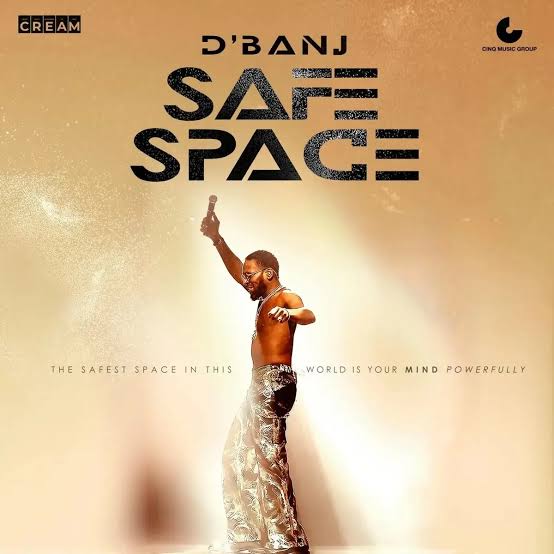 D’Banj – Safe Space
-
 Zoro – Ofuji Ft. Ruffcoin
-
 DennyB – Imalife
-
2baba – Mental Ft. Fave
Do you find Music and Gist Hub useful? Click here to give us five stars rating!