
The Iran strikes could become a midterm reckoning – for Trump and Israel
Comment

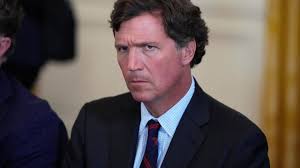
The military campaign launched on February 28, 2026, by the U.S. and Israel (dubbed “Operation Epic Fury”) has rapidly shifted from a foreign policy maneuver to a high-stakes domestic political crisis. With the 2026 Midterm Elections approaching, analysts and pollsters are viewing this conflict as a potential “reckoning” for the Republican Party and the long-standing U.S.-Israel alliance.
1. The “Rally-Round-the-Flag” Failure
Unlike many historical military operations, President Trump has not seen a typical surge in approval.
- Record Low Approval: New polling from YouGov/The Economist shows Trump’s net approval has dropped to -21, with his overall approval hitting a term-low of 38%.
- Independent Backlash: Most concerning for the GOP is the cratering of support among Independents, where only 26% approve of his job performance.
- Lack of Justification: Only 28% of Americans believe the administration sufficiently made the case for the strikes. Public skepticism remains high because the U.S. was not directly attacked prior to the operation.
2. The Fracture of the “MAGA” Coalition
The war has triggered an unprecedented ideological split within the Republican base, particularly regarding the “America First” doctrine:
- The Anti-Interventionists: High-profile figures like Marjorie Taylor Greene and Candace Owens have publicly criticized the war. They argue that the strikes violate the “no more endless wars” promise and that the U.S. was “goaded” into battle by Israel.
- The “MAGA” vs. Non-MAGA Gap: While 65% of self-identified MAGA Republicans strongly support the strikes, only 27% of non-MAGA Republicans feel the same, suggesting a deep internal party rift.
- Voter Defection: Some influential far-right commentators have gone as far as suggesting their followers vote for Democrats or stay home to punish the GOP for “neoconservative” foreign policy.
3. A Referendum on the U.S.-Israel “Special Relationship”
For the first time in Gallup’s polling history, American sympathies are shifting:
- The Shift: A recent poll suggests that American sympathies now lie more with Palestinians than Israelis (41% to 36%), a trend driven largely by younger voters and, increasingly, a 10% drop in support among Republicans since 2024.
- Midterm Risk: If the war is perceived as being fought solely for “Israel’s absolute regional hegemony,” it may lead to a Congress that is far less reflexively pro-Israel, especially if Democrats regain control of the House or Senate in November.
4. Economic and Practical Vulnerabilities
The “reckoning” is also being felt in the wallets of voters:
- Gas Prices: President Trump has acknowledged that oil prices will spike in the short term, but insists they will drop once the war ends. However, 45% of voters say they will withdraw support for the war if fuel costs continue to rise.
- Congressional Pushback: Despite the Senate narrowly blocking a War Powers Resolution (53-47) yesterday, the House is voting today. Democrats are using the “illegal war” narrative as a central pillar of their midterm campaign, framing Trump as “out of touch” with the financial realities of Americans.


Latest Post!!!
-
 Black Sherif – Frontline
-
 Mavo – Find My Babe
-
 Zoro Swagbag – Big Shot
-
Black Sherif – Expresso
-
 Yung Miami – Spend Dat (International Remix) Ft. Davido, Shenseea x Vybz Kartel
-
 ID Cabasa – Sojourner Ft. Kayefi
-
ID Cabasa – Para Ft. T-Classic
-
 Zinoleesky – Dantata
-
 Guchi – Call Me
-
 Victor AD – Heal Me (Time)
-
 Odumodublvck – Isale Eko
-
 Ayra Starr – Dance
-
Ayra Starr – Misunderstood
-
Ayra Starr – Ms. Paper Ft Theodora
-
Ayra Starr – Amazing Ft Kwn
-
Ayra Starr – Dangerous
-
Ayra Starr – Amazing Ft Kwn
-
Ayra Starr – Treasure
-
Ayra Starr – Hot Body (Remix) Ft Danny Ocean
-
Ayra Starr – Midnight in New York
Do you find Music and Gist Hub useful? Click here to give us five stars rating!