Iran Names Khamenei’s Son Mojtaba New Supreme Leader
Comment

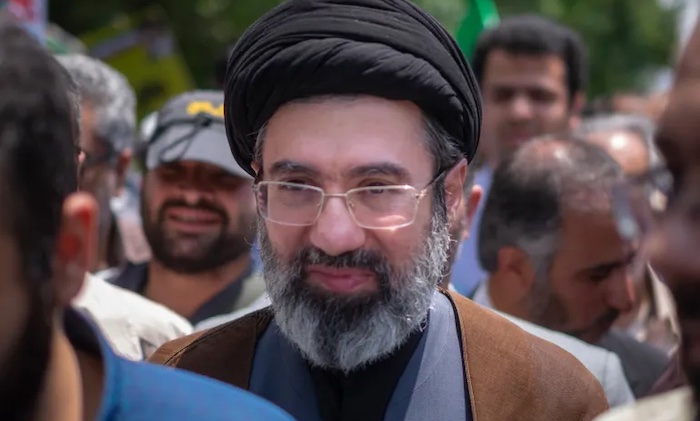
The naming of Mojtaba Khamenei as Iran’s third Supreme Leader on March 8, 2026, marks a historic and controversial transition for the Islamic Republic. Following the death of his father, Ayatollah Ali Khamenei, in a U.S.-Israeli strike on February 28, the 56-year-old Mojtaba was officially confirmed by the Assembly of Experts after days of intense deliberation and reported pressure from the Islamic Revolutionary Guard Corps (IRGC).
This is the first time in the history of the Islamic Republic that the position has passed from father to son, effectively establishing a hereditary succession in a system that originally defined itself by its rejection of monarchy.
The process was accelerated by the ongoing military conflict and was marked by unprecedented security measures:
- Virtual Deliberations: Due to security risks and the bombing of the Assembly’s headquarters in Qom during an earlier session, the final votes were conducted via a secure online platform.
- IRGC Influence: Reports indicate that IRGC commanders exerted “heavy pressure” on the 88-member clerical body to ensure a swift appointment, viewing Mojtaba as a figure capable of maintaining military and internal stability during wartime.
- Decisive Vote: The Assembly issued a statement just after midnight Tehran time on Sunday, confirming Mojtaba’s appointment by a “decisive vote,” describing it as an act of defiance against “criminal America and the evil Zionist regime.”
Who is Mojtaba Khamenei?
Despite being one of the most powerful figures in Iran for over two decades, Mojtaba has lived a largely secretive life:
- Background: Born in 1969, he is a mid-ranking cleric (Hojjatoleslam) and a veteran of the Iran-Iraq War.
- The “Shadow Prince”: He served as his father’s informal chief of staff, managing the Supreme Leader’s office and acting as a primary bridge to the IRGC and the Basij paramilitary forces.
- Hardline Stance: He is widely regarded as a hardliner. Analysts suggest his personal loss—his father, wife, and child were reportedly killed in the initial strikes—will likely drive a more confrontational and vengeful foreign policy.
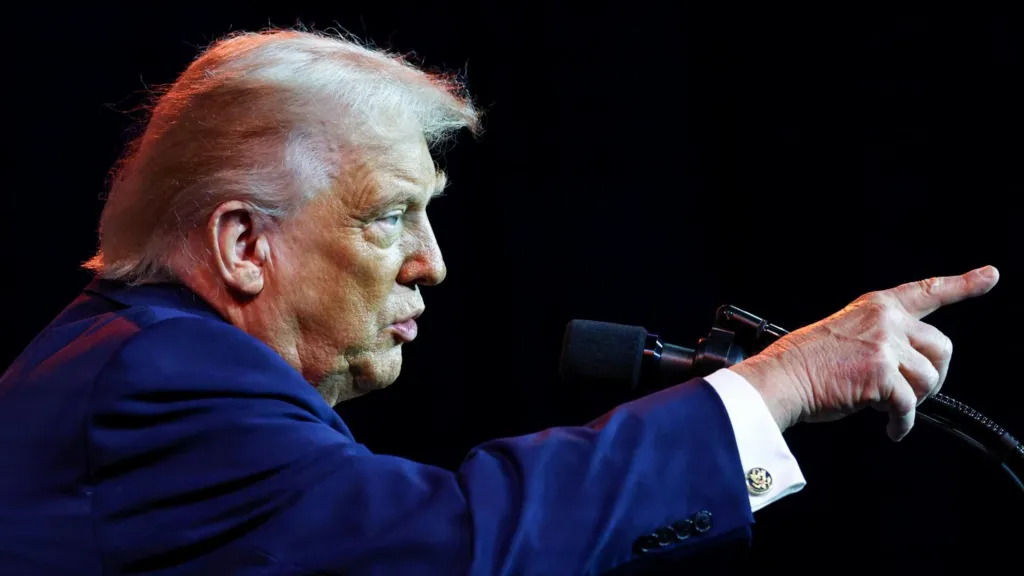
United States: President Donald Trump has already voiced strong opposition, calling the appointment “unacceptable” and stating that any leader chosen without U.S. approval is “not going to last long.”
Israel: The IDF has issued warnings that it will continue to target any leadership figures who pursue the previous regime’s regional ambitions.
Internal Response: While the IRGC and government officials have pledged “complete obedience,” there have been reports of mixed civilian reactions, including small-scale celebrations in some cities following the elder Khamenei’s death and heightened security to prevent uprisings.


Latest Post!!!
-
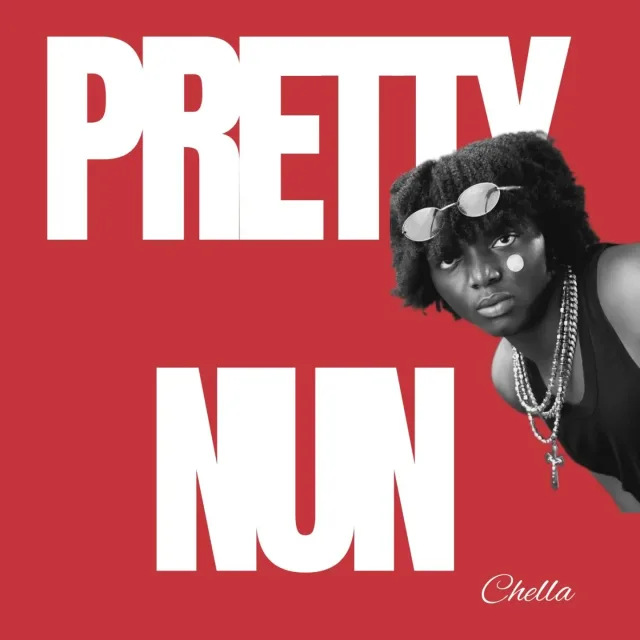 Chella – Pretty Nun
-
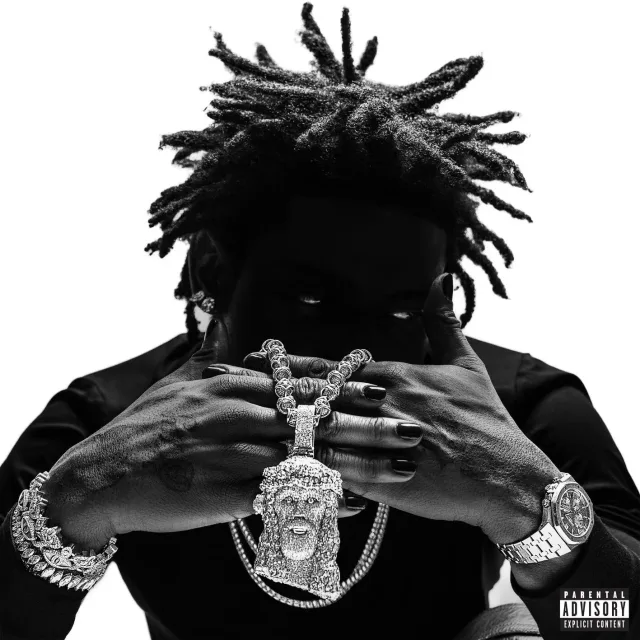 Shallipopi – Ogo
-
Shallipopi – Up (Transovania)
-
Shallipopi – .Com
-
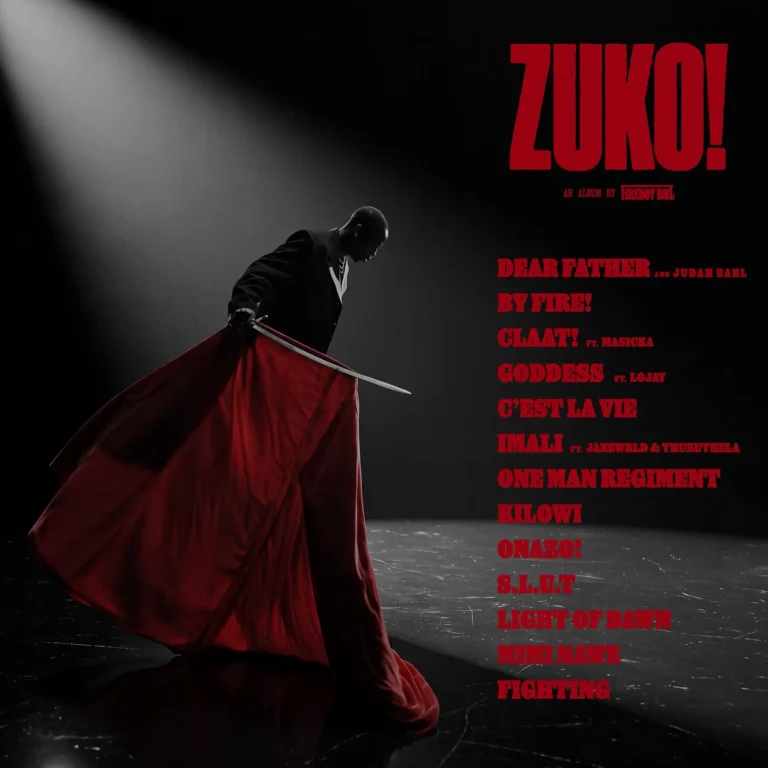 Fireboy DML – Fighting
-
Fireboy DML – Mimi Nawe
-
Fireboy DML – Light Of Dawn
-
Fireboy DML – Sex Love Understanding Trust
-
Fireboy DML – Onazo!
-
Fireboy DML – Kilowi
-
Fireboy DML – One Man Regiment
-
Fireboy DML – C’Est La Vie
-
Fireboy DML – Goddess Ft. Lojay
-
Fireboy DML – Dear Father Ft. Judah Earl
-
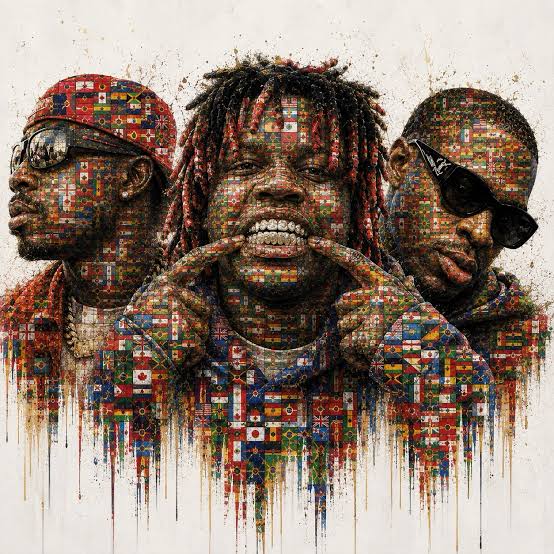 G4 Boyz – Involve Me Ft. Famous Pluto
-
 Winnerman – Give Me Chance (Remix) Ft. Davido x Sabushebu
-
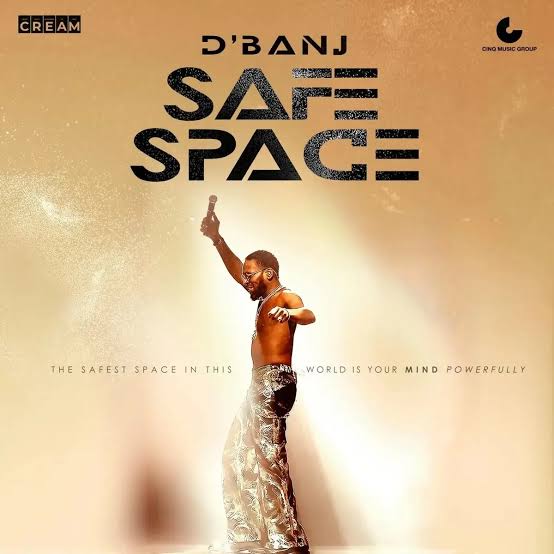 D’Banj – Safe Space
-
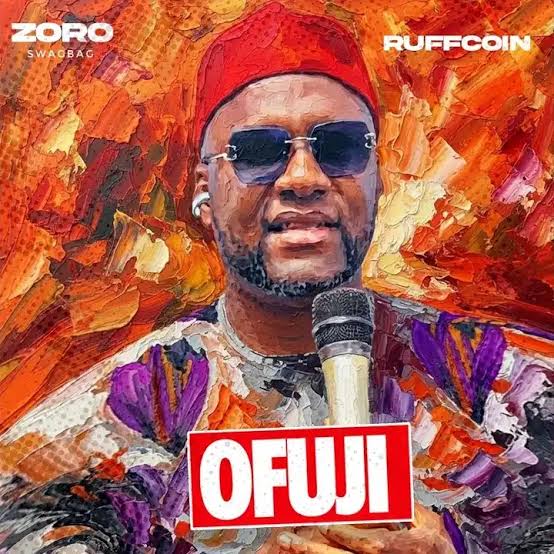 Zoro – Ofuji Ft. Ruffcoin
-
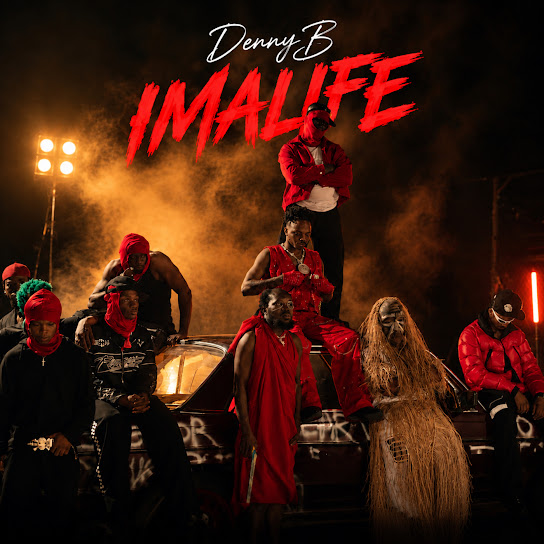 DennyB – Imalife
-
2baba – Mental Ft. Fave
Do you find Music and Gist Hub useful? Click here to give us five stars rating!